
How to Spot a Junk Supplement (Before You Waste Your Money): 14 Red Flags to Look For
The supplement aisle can feel like the Wild West — shiny labels, big promises, and prices that make you think you’ve found a miracle deal. But here’s the uncomfortable truth: in the U.S., the dietary supplement industry is largely unregulated, and that creates a perfect environment for low‑quality, under‑dosed, or straight‑up fraudulent products to slip through.
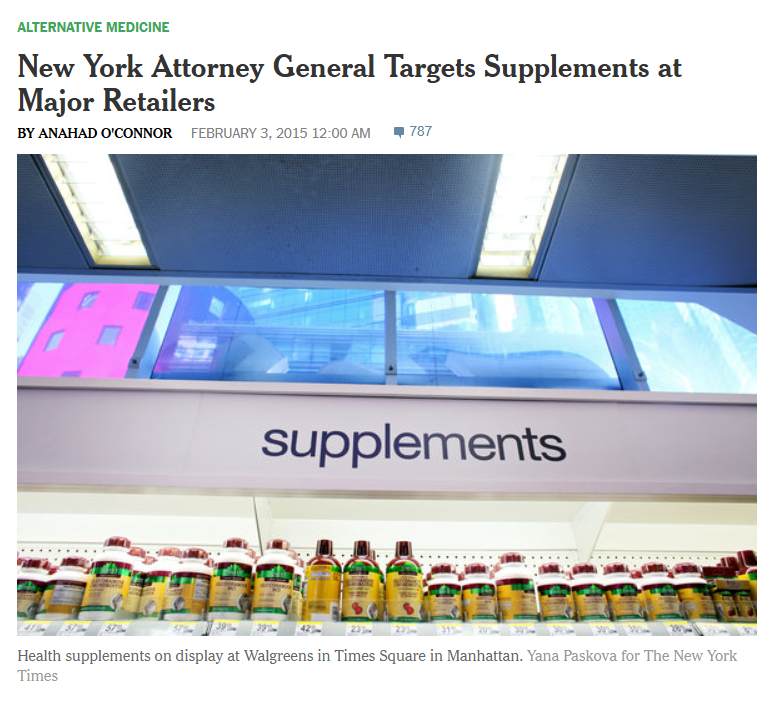
To put the scale in perspective, the U.S. supplement market generated nearly $39 billion in revenue in 2022, and the global market hit $149 billion in 2021, with projections reaching $240 billion by 2028. The U.S. alone accounts for about 32% of that global market.
That’s a massive industry with surprisingly little oversight. In fact, multiple investigations have uncovered supplements that didn’t contain the ingredients listed on the label, or contained adulterants that were never disclosed. It’s not paranoia — it’s documented reality. Check out the FDA Health Fraud Database for a good scare!
So how do you protect yourself in a market where anyone could theoretically mix powders in their garage, slap on a label, and sell it online? You learn to spot the tells.
Below are 14 of the biggest red flags that scream “junk supplement.”
Disclosure: This blog post contains affiliate links. By clicking on the affiliate links in this post, not only do you get to find great products at no extra cost, but you also support my blog, as I may receive a small commission for purchases made through these links.
1. Cheap, Synthetic Vitamin Forms
Not all vitamins are created equal. Some forms are poorly absorbed, poorly utilized, or simply outdated.
Watch out for:
B6 as pyridoxine hydrochloride: This is the inactive form of B6 and must be converted to the active form, pyridoxal-5-phosphate (P5P), to be used in the body. This process can be slow and inefficient for many people, especially those with variations in the ALPL gene. Plus, high doses of pyridoxine can actually compete with P5P for uptake.
Folic acid instead of methylated folate: About 40% of people have a variation in the MTFHR gene that significantly reduces the ability to convert synthetic folic acid into a methylated form they can use. Look for the word “methyl” or 5-MTFH in the name of the folate form.
Cyanocobalamin instead of methylcobalamin: this form is difficult for people with certain genetic variations (including MTHFR) to metabolize into a form of B12 their body can use. Look for supplements with methylcobalamin or adenosylcobalamin instead. Read more in this blog post.
These forms are inexpensive to manufacture, which is exactly why low‑quality brands use them.
2. Non‑Chelated Mineral Forms
Minerals need to be bound (“chelated”) to something your body can actually absorb. When they’re not, absorption tanks.
Avoid minerals listed as:
Oxides
Carbonates
Sulfates
Generic “mineral salts”
If you see magnesium oxide, that’s your cue to put the bottle back on the shelf.
3. Unnecessary Fillers, Binders, and Additives
These don’t improve the product — they just make manufacturing cheaper or tablets easier to press.
Common offenders:
Magnesium stearate (can reduce nutrient absorption)
Polyethylene glycol (yes, the laxative)
Lactose (cheap filler, problematic for many people)
If the “other ingredients” list is longer than the active ingredients list, that’s a problem.
4. Synthetic Colors
FD&C dyes, “brilliant blue,” and other artificial colors have no place in a supplement. You’re not buying Skittles.
5. Artificial Sweeteners
Especially in powders and chewables, you’ll see:
Aspartame: Can break down into compounds that may trigger headaches, digestive discomfort, or sensitivity reactions in some people.
Sucralose: May disrupt gut microbiome balance and can alter glucose and insulin responses in certain individuals.
Acesulfame potassium (Ace-K): Rapidly absorbed but poorly metabolized, and some research suggests it may negatively affect gut bacteria and metabolic health
While these can be used to mask the taste of low‑quality ingredients, they are also low-quality ingredients themselves.
6. Talc
Yes, talc — the same substance that has been scrutinized for potential contamination with carcinogenic compounds. If you see it on a label, run.
7. Proprietary Blends
This is one of the biggest red flags in the entire industry.
A “proprietary blend” lets a company hide the actual dose of each ingredient. They can sprinkle in tiny, ineffective amounts of expensive ingredients and surround them with cheap fillers — and you’d never know.
If a label says something like:
“Performance Matrix — 2,000 mg”
and lists 12 ingredients underneath…
You’re being played.
8. Under‑Dosed Ingredients
Even good ingredients are useless if the dose is too low to do anything. This is rampant in:
Pre‑workouts
Fat burners
Multivitamins
“Immune blends”
If a product claims big benefits but the doses don’t match what research supports, it’s marketing — not science.
9. “Kitchen Sink” Formulas
If a supplement has 47 ingredients, it’s not “comprehensive.” It’s unfocused, under‑dosed, and designed to look impressive.
More is not better. Better is better.
10. Outrageous Health Claims
Anything that promises to:
Melt fat
Detox your organs
Boost testosterone 300%
Cure disease
Reverse aging
…is violating FDA rules (and good ethics) and should be avoided.
If the marketing sounds like a late‑night infomercial, trust your instincts.
11. Suspiciously Low Prices
High‑quality raw materials are expensive. Testing is expensive. GMP‑certified manufacturing is expensive.
If a supplement is $9.99 for a month’s supply, it’s not a miracle; it’s probably garbage.
12. No Third‑Party Testing
Look for:
NSF
Informed Sport
USP
Or at least clear third‑party purity testing
If a brand won’t verify what’s in the bottle, that’s a red flag.
13. Outdated or Unstable Ingredient Forms
Examples:
Probiotics that list CFU at manufacture, not at expiration
Fish oil without oxidation or mercury testing
Botanicals without standardized extracts
If the brand can’t guarantee potency, skip it.
14. Manufactured Outside GMP‑Certified Facilities
If the label doesn’t clearly state GMP (Good Manufacturing Practices), you have no assurance of quality, purity, or consistency.
The Bottom Line
Always — always — check the label.
Look for clean ingredient lists, effective doses, and brands that invest in testing and transparency.
If you want a shortcut, buy from companies that are trusted by:
Medical professionals
Nutritionists
Top trainers
That’s why I partner with Thorne — a brand that checks every box for quality, purity, and evidence‑based formulation. You can get a discount and free shipping through any link on this site, and you’ll know you’re getting supplements that actually do what they claim.
When you fuel your body, quality matters. Don’t settle for junk.
More on Supplements
Be sure to check out these related blog posts and resources.
Are You Getting Enough Nutrients on GLP-1 Meds? Here's What to Watch. — Be aware of these common nutrient deficiencies and know what to do to prevent them.
Bouncing Back: Nutrition Hacks for Mounjaro Butt and Ozempic Face — Fill out your jeans again and decrease the aging look associated with GLP-1 weight loss using this comprehensive guide to everything from food to supplements, skin products, and specialized tools.
Four Reasons to Take Methylated B-12 — When it comes to B12, also known as Cobalamin, things can get a bit tricky. Here’s why taking methylated B12 is a good idea.
Six Reasons to Take a Multivitamin — There’s a lot of magic that takes place in your body every day. Are you giving your body everything it needs to do David Copperfield-level tricks?
What Your Body Craves More Than Protein — This mineral can make all the difference in your mood, sleep, and metabolic processes.
Iron Supplements: What to Know Before You Supplement — Iron can be tricky (and sometimes dangerous), so read this primer before you try supplements!