
Why Your Glutes Aren’t Growing (And What to Do About It)
If you’ve been training your glutes and not seeing the results you expected, you’re not alone. The glutes are the largest, strongest muscle group in the body, and it’s easy to take them for granted. But here’s the deal. They need more attention.
They don’t grow just because you want them to. That would be too easy. You might already be doing a lot, or so it would seem. But it’s not that easy. It comes down to nine easy-to-make oversights that could mean the difference between just having leg tops or actually having a backside.
After coaching hundreds of clients and creating effective glute‑focused programs for years, I can tell you this with confidence: if your glutes aren’t growing or getting stronger, there’s always a reason. Maybe more than one. The good news is that every reason has a fix.
Let’s break down the most common culprits.
Disclosure: This blog post contains affiliate links. By clicking the affiliate links in this post, you not only get to find great products at no extra cost but also support my blog, as I may receive a small commission on purchases made through these links.
Nine Glute Growth Mistakes
Mistake #1: You’re Not Consistent Enough
This is the ugly ass truth no one wants to hear.
Glutes respond to repetition over time. Not one great workout. Not a random burst of motivation. Not a “glute day” once every two weeks.
If you’re skipping sessions, cutting workouts short, or bouncing between programs, your glutes never get the repeated stimulus they need to adapt and grow.
Growth requires consistency. Not perfection, just consistency.
Aim for 2–3 focused glute sessions per week, every week, for several months. Not days. Not when it’s easy. Not randomly—regularly, like brushing your teeth. Schedule your workouts and stick to them. If you need to, track your adherence to the plan. Anything over 80% should get you results, with the best results being at 100%.
Action Item: Schedule your workouts and stick to them at least 80% of the time.
Mistake #2: You’re Not Doing Enough Volume
Most people think they’re training harder than they actually are.
A few sets of squats and some kickbacks won’t cut it. Glutes need volume — enough total work per week to actually challenge the muscle.
Volume =
Sets
Reps
Load (the weight you use)
If one of those is too low, your glutes won’t get the message.
For most people, that means 10–20 hard sets per week of glute‑focused work. And yes, those sets need to be close to failure. If you can chat, scroll, or think about dinner during your set, it’s not close enough. If your legs aren’t a little rubbery at the end of your workout, you didn’t get close enough to failure, either.
Action Item: Do a check-in with your legs and glutes during your workout. Are they feeling it?
Mistake #3: You’re Rushing Through Your Reps
Time under tension is the secret sauce most people ignore.
If you’re bouncing through reps, using momentum, or letting gravity do the work, you’re not actually loading the glutes — you’re just moving.
Slowing down the eccentric (the lowering phase), pausing at the bottom, and controlling the entire range of motion will light your glutes up in a way sloppy reps never will.
Quality reps are better than fast reps.
Consider changing up your lifting tempo to make the most of the time you spend at the gym. It takes humility, though. It’s easier to squat 215 pounds at a 1010 tempo than a 3130 tempo!
Action Item: Try a slower tempo to get you more connected to your body. If you want to learn more about lifting tempos, check out this blog post.
Mistake #4: You’re Not Eating Enough Protein (or Not Absorbing It Well)
You can train perfectly, but if your nutrition is off, your glutes will stay exactly the same size.
Your body needs protein to repair and build muscle tissue. If you’re under‑eating protein, or if your digestion is compromised and you’re not absorbing what you eat, your progress stalls.
Most people trying to build muscle need more protein than they think. A good general target would be around 1 gram of protein per pound of goal bodyweight. And yes, that’s a lot. That’s why protein supplements exist.
If you struggle to hit your protein target, a high‑quality protein powder or amino complex can make a massive difference.
Action Item: Increase protein intake and/or boost your stomach acidity.
Mistake #5: You’re Chronically Stressed
Stress is a glute killer.
When stress is high, cortisol is high. When cortisol is high, recovery tanks. When recovery tanks, muscle growth stalls.
You can be doing everything right in the gym, but if your nervous system is fried, your glutes won’t grow.
This is where lifestyle matters. Do an honest check-in with yourself about:
Walking (> 7k steps a day)
Breathwork (ever do it?)
Boundaries (do you set them and are they being respected?)
Actual downtime (scrolling on the toilet doesn’t count)
Not living in a constant state of “go”
Your body can’t build muscle if it thinks it’s running from a bear.
Action Item: Do a real-talk check in with yourself about your stress management strategy. What are you doing, how is it working for you, etc? Read more here.
Mistake #6: You’re Not Sleeping or Recovering Enough
Sleep is where the magic happens.
Muscle repair, hormone regulation, tissue growth — all of it happens when you’re asleep. If you’re getting 5–6 hours a night, or your sleep quality is trash, your glutes simply won’t grow the way you want them to.
Aim for:
7–9 hours per night
A consistent sleep schedule
A dark, cool room
Less screen time before bed
And remember recovery isn’t optional. It’s part of the program.
Action Item: Work on your sleep hygiene.
Mistake #7: You’re Not Training the Right Movements
Some exercises hit the glutes better than others. If your workouts are full of quad‑dominant squats, short‑range kickbacks, or random influencer moves, you’re leaving gains on the table.
Glutes grow best from:
Hip thrusts
Glute bridges
Romanian deadlifts
Lunges
Split squats
Step‑ups
Hip hinges
Squats
You don’t need 20 exercises. You need the right ones, done well, with progressive overload. Bird dogs and abduction work are helpful, but they aren’t going to move the needle the way that squat, lunge, and hinge movements will.
Action Item: Make sure you are doing a program that includes enough glute-builders.
Mistake #8: You’re Not Progressively Overloading
If you’re lifting the same weights, for the same reps, with the same effort you were using three months ago, your glutes have no reason to grow.
Progressive overload can come from:
More weight
More reps
More sets
Slower tempo
Longer range of motion
Better form
Shorter rest periods
Your body adapts to what you repeatedly ask of it. If you’re not increasing the challenge, you’re maintaining, not building.
Action Item: Collaborate with a fitness professional to ensure that you have a program that progressively overloads.
Mistake #9: You’re Not Supplementing Strategically
Supplements aren’t magic; they only feel like it when used correctly.
Three that I recommend for glute growth:
Creatine Monohydrate
One of the most researched supplements on the planet. Helps increase strength, power, and muscle fullness. If you want stronger hip thrusts and better training performance, creatine is your friend. Be sure to only use brands that contain Creapure(tm) creatine to avoid any of the nasty GI problems that can happen from low-quality creatine supplements. This is not a place to skimp!
Protein Powder
It’s not a replacement for whole food, but it is a practical way to hit your daily protein target without feeling like you’re chewing all day. Look for one with natural ingredients and without a lot of added sugars. I have some suggestions below.
Amino Complex
Great for supporting muscle repair, especially if you train fasted or have long gaps between meals. Amino complexes are great for people who don’t like the milky texture of traditional protein supplements. They are also ideal for people following vegan or vegetarian diets, since it can be harder to get enough of all 9 essential amino acids on a plant-based diet.
These aren’t shortcuts. They’re tools. And when paired with solid training and nutrition, they accelerate progress.
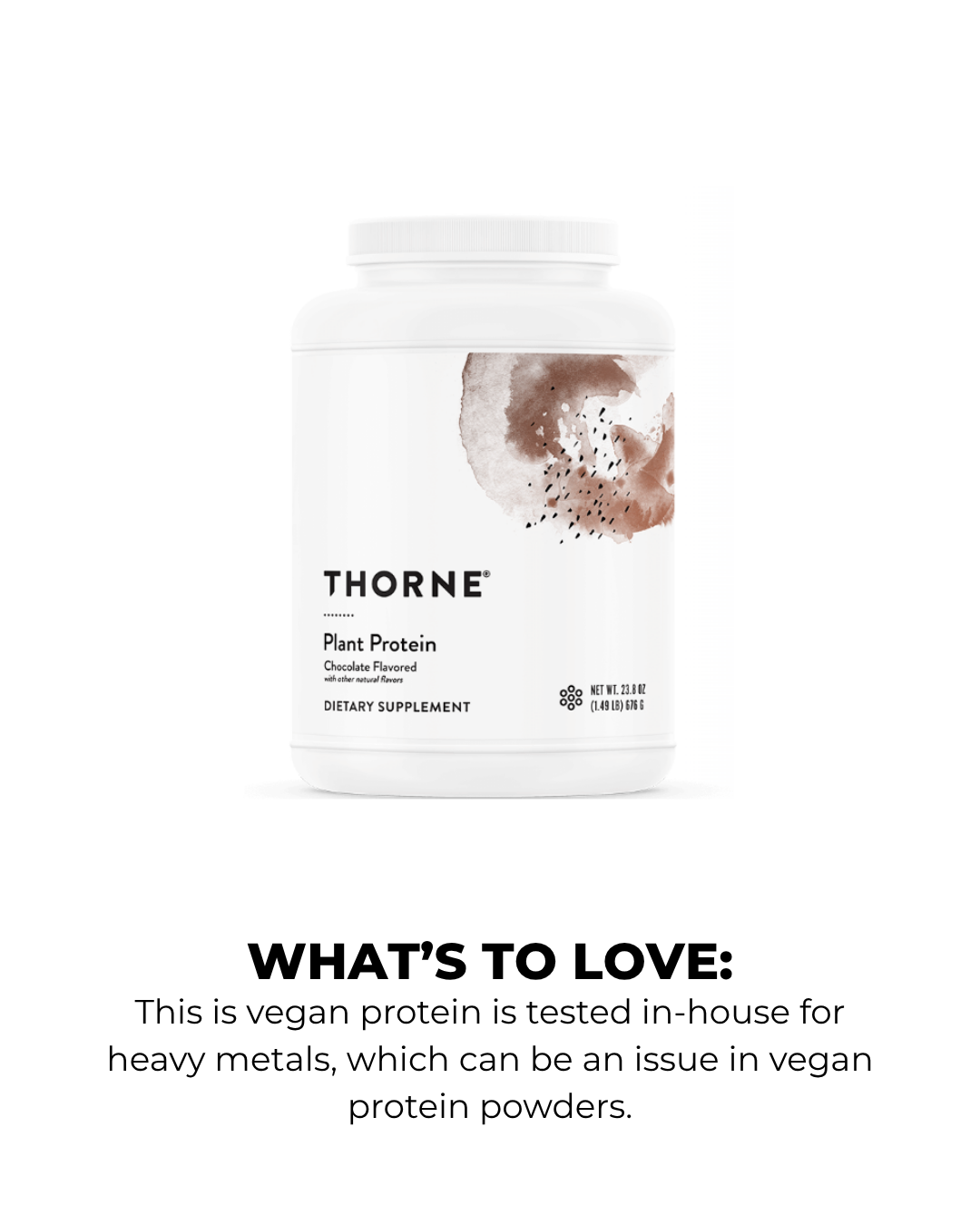
Below are my favorite muscle-building products to use and recommend to clients and friends. Click or tap on the image to check the price on Amazon or to get 10% off and free shipping on orders direct from Thorne. I may receive a small commission at no cost to you.









Doing What It Takes
If your glutes aren’t growing, it’s not because you’re “broken” or “genetically doomed.” It’s because one or more pieces of the puzzle are missing.
Dial in your consistency.
Increase your volume.
Slow down your reps.
Eat enough protein.
Manage your stress.
Prioritize sleep.
Train the right movements.
Progressively overload.
Use supplements strategically.
Do that — truly do that — and your glutes will grow.
If you want a structured, progressive, beginner‑friendly program that takes all the guesswork out of this, my 28‑day glute challenge was built exactly for that. It’s simple, effective, and designed to help you build a stronger, more powerful backside that actually shows up in real life.
Open only four times a year.